Tracing Participant Behavior Shifts in Finland's Digital Prize Draw Systems
Kirjoittanut Riley Jung · 20.9.2026
Tracing Participant Behavior Shifts in Finland's Digital Prize Draw Systems
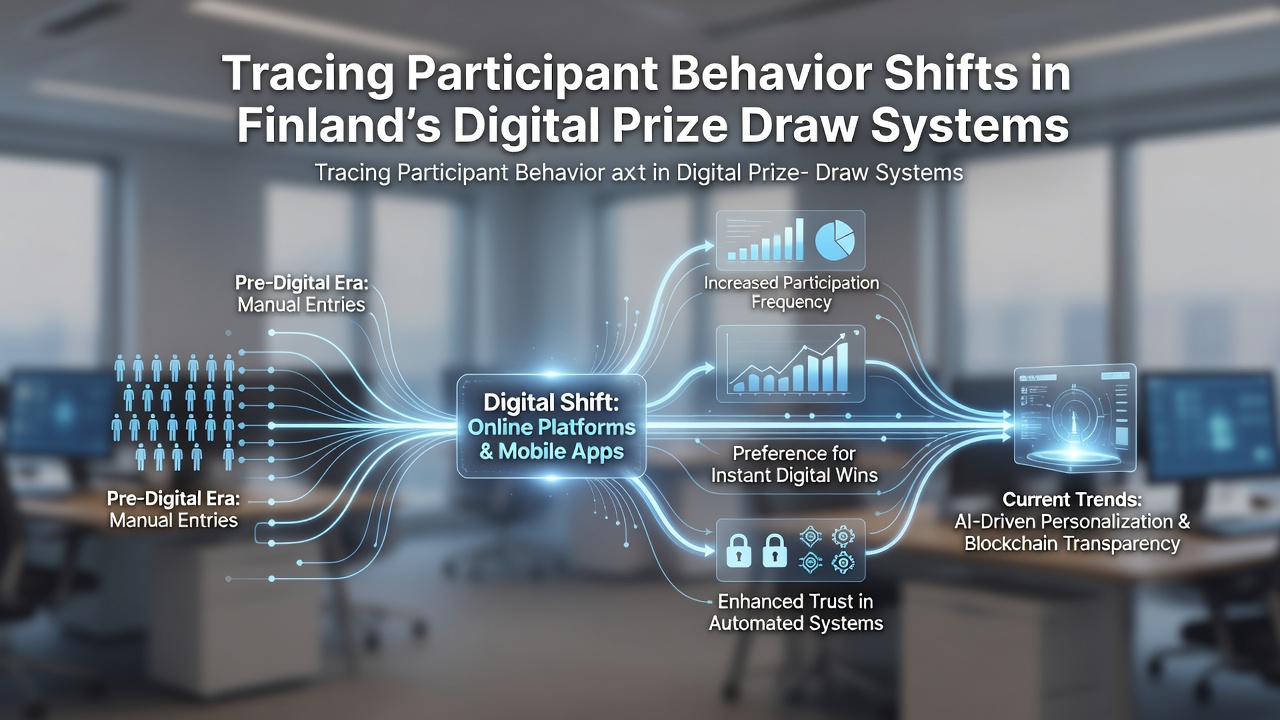
Finland's digital prize draw systems have undergone measurable changes in how participants interact with lottery and gaming platforms over the past decade, with data tracking shifts in access methods, frequency patterns, and demographic profiles. Official records from the Finnish gambling operator indicate that online entries now account for over 70 percent of total transactions, a transition that accelerated after regulatory updates in 2017 allowed expanded digital channels. Researchers at the University of Tampere have documented these patterns through longitudinal surveys, noting that mobile applications receive the majority of new registrations while desktop usage has stabilized among older age groups.
Historical Context of Prize Draw Participation
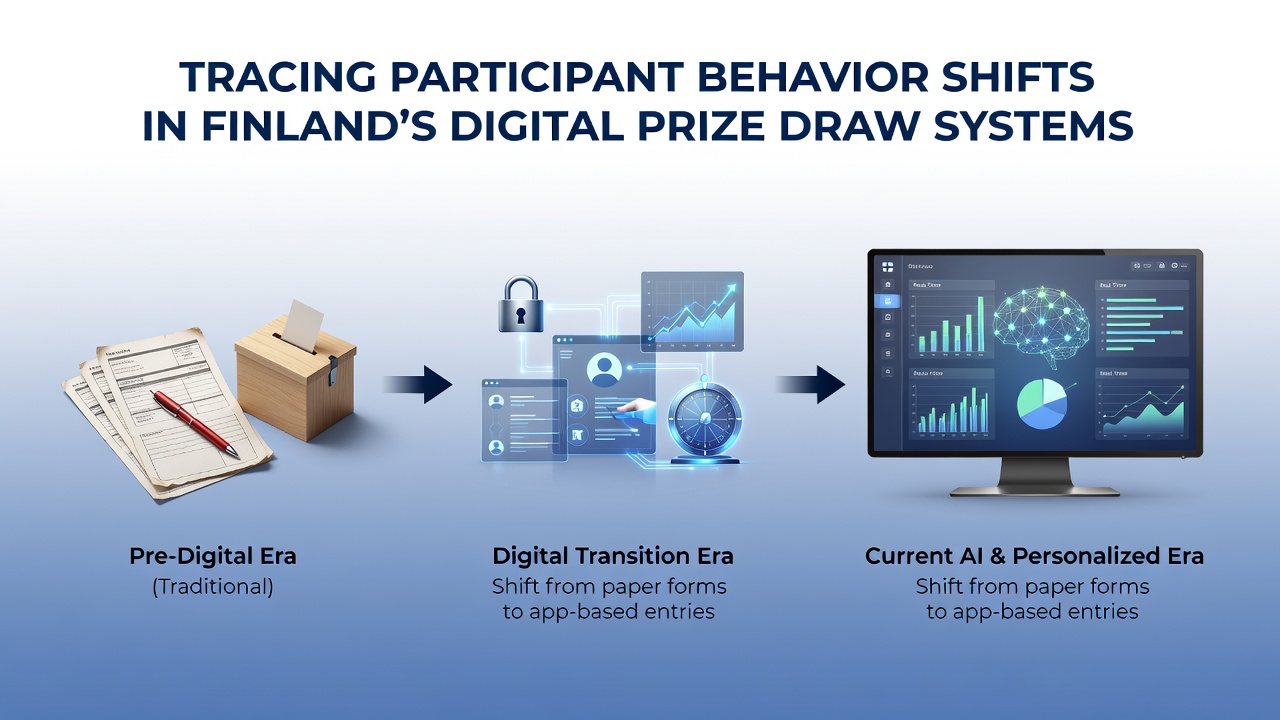
Traditional paper-based ticket sales dominated Finnish prize draws until the mid-2010s, when state-regulated systems began integrating web portals and later smartphone interfaces. Statistics Finland reports show annual ticket volumes remained relatively steady between 2010 and 2015, yet the proportion of digital purchases climbed from under 20 percent to nearly half by 2018. This change coincided with broader national investments in broadband infrastructure and public campaigns promoting responsible gaming tools embedded in digital platforms. Observers note that early adopters tended to be urban residents aged 25 to 40, while rural participation lagged until improved network coverage reached those areas.
Key Shifts in Participant Behavior
Recent analyses reveal several distinct trends in how individuals engage with these systems. Participation sessions have shortened on average, with users completing entries in under two minutes via apps compared with longer in-person purchases at retail points. Data from the Ministry of the Interior indicates repeat engagement rates rose among 18-to-34-year-olds, who now favor subscription features that automate weekly draws. In contrast, those over 55 maintain steadier but less frequent activity, often sticking to single-ticket options. September 2026 is scheduled to mark the rollout of an updated national platform that incorporates real-time analytics dashboards for users, a move expected to further influence session lengths and prize selection preferences based on pilot testing results.
Data Sources and Measurement Methods
Tracking relies on anonymized transaction logs combined with periodic population surveys conducted by the Finnish Institute for Health and Welfare. These datasets allow segmentation by region, age, and device type, revealing that northern Finland shows faster growth in digital adoption than southern urban centers once infrastructure parity was achieved. A joint report prepared with input from the European Commission highlights how regulatory requirements for age verification and spending limits have shaped interface design across member states, including Finland. European Commission gambling sector overview provides comparative figures that place Finnish digital penetration rates above the EU average.
One study released by Aalto University examined clickstream data from 2022 through 2025 and found that participants increasingly check results through push notifications rather than logging into accounts, which reduces overall time spent on platforms yet maintains consistent entry volumes. Gender distributions have also shifted slightly, with female participation in digital draws rising from 42 percent in 2019 to 48 percent in 2025 according to operator disclosures. These patterns emerge alongside broader societal changes in technology use, such as increased comfort with mobile payments and digital identity tools.
Factors Influencing the Observed Changes
Technological upgrades, policy adjustments, and external events have each played roles in reshaping engagement. The introduction of mandatory digital identity checks in 2021 streamlined access for verified users while adding friction for first-time participants, leading to higher retention once initial registration occurred. Economic conditions around 2023 prompted some users to adjust spending caps within the platform's responsible gaming settings, a feature whose usage data appears in quarterly transparency reports. International comparisons drawn from Canadian provincial lottery studies suggest similar mobile-driven behavior patterns, though Finnish systems enforce stricter per-session limits that moderate overall expenditure growth.
Seasonal variations remain visible in the records, with spikes during major national holidays and quieter periods in late summer, yet the baseline digital share continues its upward trajectory regardless of calendar effects. Analysts tracking September 2026 anticipate that new features allowing personalized draw recommendations will test whether tailored interfaces further alter selection habits or simply accelerate existing preferences.
Conclusion
Finland's digital prize draw ecosystem continues to evolve through documented shifts in access methods, session characteristics, and user demographics, supported by ongoing data collection from government agencies and academic institutions. These measurable patterns provide a factual basis for understanding how regulatory frameworks and technological tools interact with participant choices across different population segments.