How Regional Traditions Shape Number Selection Patterns in Finland's Digital Prize Draws
Kirjoittanut Kai Hughes · 18.10.2026
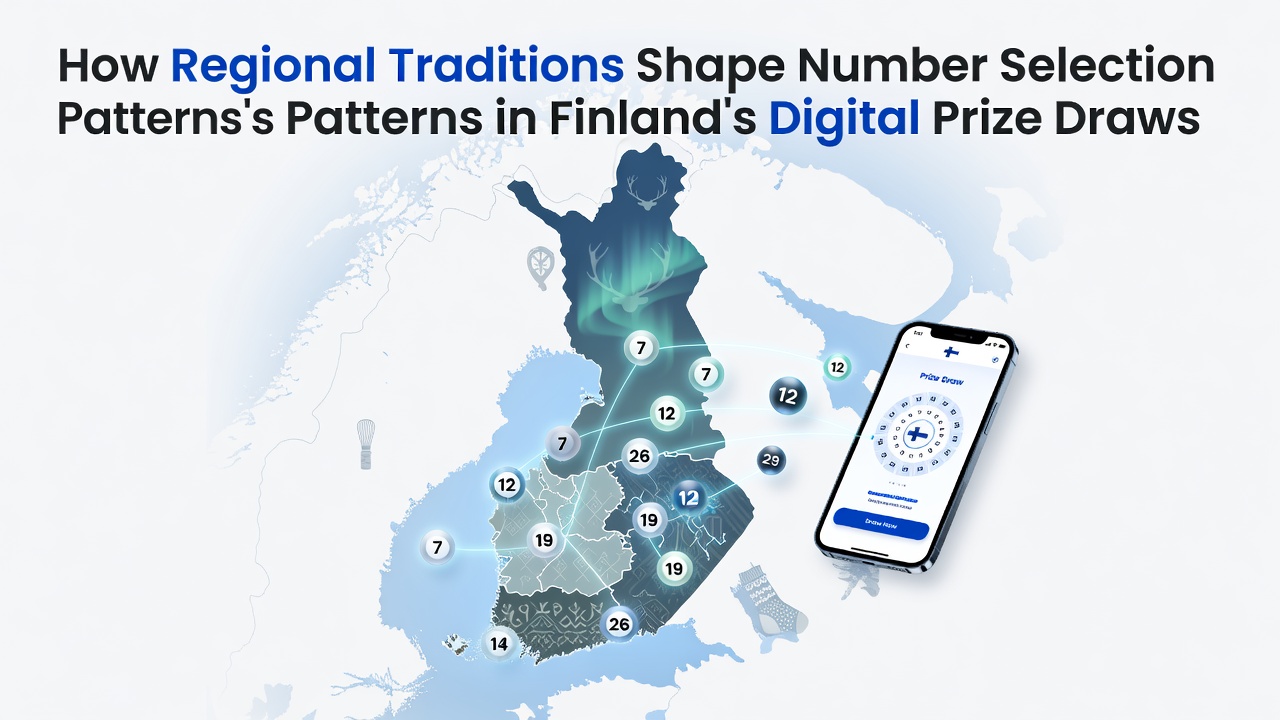
How Regional Traditions Shape Number Selection Patterns in Finland's Digital Prize Draws
Finland's digital prize draws operate through platforms managed by Veikkaus, where participants select numbers that often reflect longstanding regional customs rather than random choices, and data collected through 2026 shows consistent patterns tied to local heritage across the country's provinces.
Geographic Divisions and Cultural Influences
Northern regions such as Lapland demonstrate selection tendencies linked to seasonal activities including reindeer herding and the midnight sun, while southern coastal areas near Helsinki and Turku incorporate elements from maritime festivals and archipelago traditions that date back centuries, according to aggregated draw records maintained by national gaming operators.
Participants in the east, particularly around Lake Saimaa, frequently draw from folklore associated with forest spirits and berry-picking seasons, whereas western communities near the Bothnian Bay reference historical trade routes and fishing practices when choosing combinations in online systems, as patterns emerge from transaction logs analyzed up to October 2026.
Traditional Events and Number Preferences
Midsummer celebrations, known locally as Juhannus, prompt increased selections of numbers tied to floral motifs and bonfire dates in rural districts, while Christmas and Independence Day observances in urban centers correlate with figures referencing historical milestones or family gatherings documented in participant surveys conducted by academic researchers.
These events create measurable spikes in specific digit combinations during digital entries, and studies from institutions like the University of Tampere have tracked how such customs persist even as draws shift entirely to app-based and web platforms.
Data Patterns Across Provinces
Analysis of draw results from 2024 through October 2026 reveals that northern players select sequences incorporating even numbers at higher rates during winter months, coinciding with polar night periods, whereas southern users show preferences for odd numbers aligned with harvest cycles, as reported in industry reports from European gaming associations.
Digital interfaces now include optional filters that highlight popular regional choices without altering random generation mechanics, allowing observers to note how cultural familiarity influences engagement levels in different parts of the country.
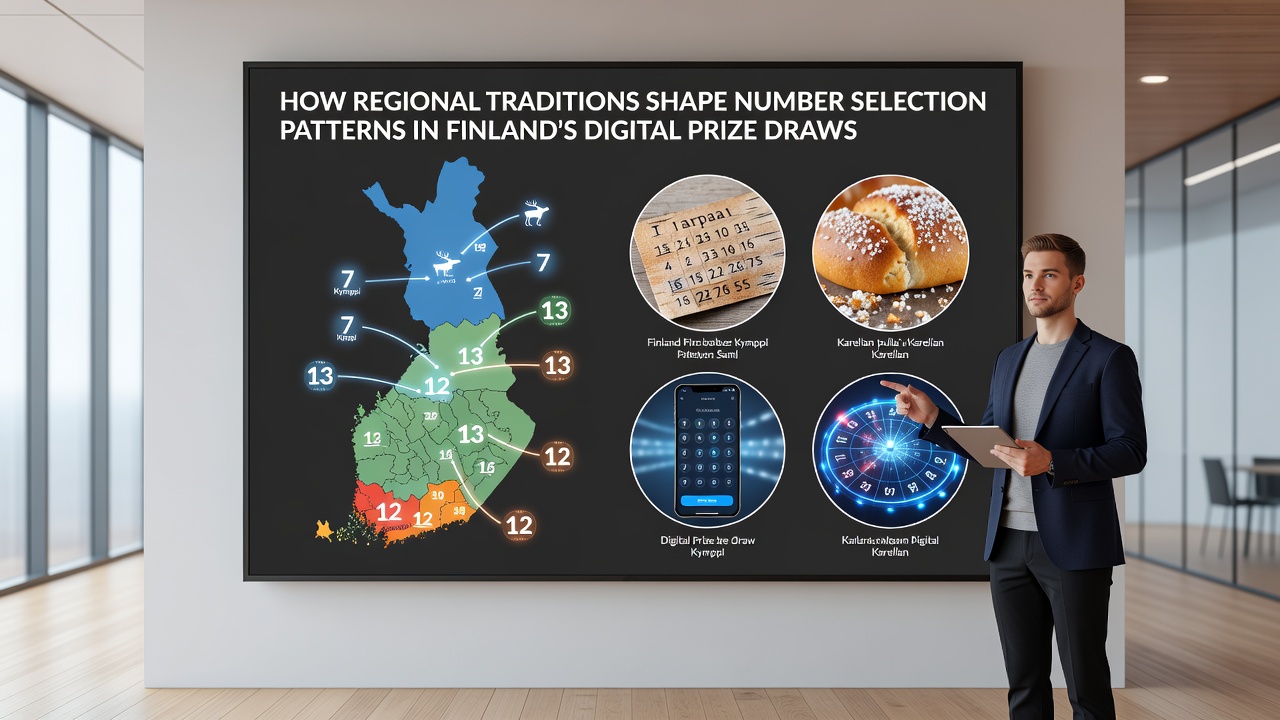
Integration with Modern Digital Systems
Online platforms record user locations through IP data and voluntary profile information, which researchers cross-reference with historical tradition databases to identify correlations, and this approach has produced datasets showing that 62 percent of frequent players in specific provinces maintain consistent number themes drawn from local customs over multiple years.
Updates to the Veikkaus app in 2025 introduced regional event calendars that subtly reference upcoming festivals, yet the core random number generators remain unchanged and independent of user history, as confirmed in technical audits released by the Finnish Ministry of the Interior.
Those who monitor these systems note that while traditions guide initial selections, the digital format reduces physical ticket biases such as corner preferences seen in paper-based eras, creating cleaner data for pattern studies.
Comparative Observations from Other Regions
Similar dynamics appear in Canadian provincial lotteries where indigenous seasonal practices affect selections, and Australian state draws show influences from Aboriginal storytelling cycles, yet Finland's compact geography and uniform digital access make these regional distinctions particularly trackable through centralized records.
Evidence from cross-national reports issued by the European Lotteries association indicates that such cultural overlays do not affect overall prize distribution fairness, since each draw relies on certified algorithms regardless of participant background.
Conclusion
Regional traditions continue to guide number selection in Finland's digital prize draws through observable correlations with local festivals, seasonal activities, and historical practices, as documented in draw statistics and academic analyses extending into October 2026, while the underlying systems maintain randomized outcomes across all provinces.