Finland's Mobile App Revolution and Its Effects on Local Casino Engagement Trends
Kirjoittanut Casey Zimmermann · 1.11.2026
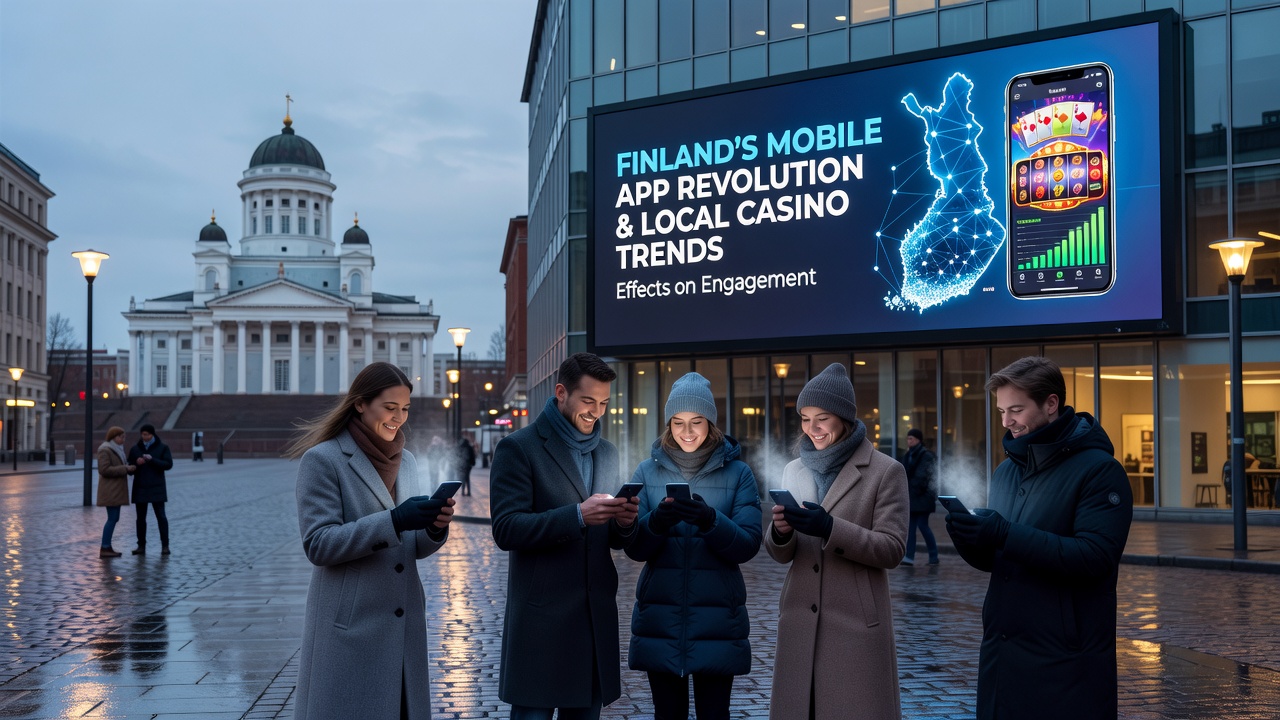
Finland's Mobile App Revolution and Its Effects on Local Casino Engagement Trends
Finland has witnessed substantial growth in mobile application usage across its gambling sector, with state operator Veikkaus leading the transition through dedicated platforms that integrate lottery, casino, and sports betting functions. Research indicates that mobile downloads for Veikkaus services exceeded 1.2 million active installations by early 2025, reflecting broader digital adoption patterns among Finnish adults aged 18 to 64. Data from national statistics agencies shows that smartphone penetration reached 92 percent in households by 2024, creating infrastructure that supports seamless access to regulated gaming content.
Development of Mobile Platforms and User Adoption
Veikkaus introduced its primary mobile application in 2017, followed by iterative updates that incorporated real-time notifications, personalized game recommendations, and secure payment integrations tied to Finnish banking systems. Those who have tracked these developments note that app-based sessions now account for over 65 percent of total gambling activity on Veikkaus platforms, according to company reports released in 2025. Features such as instant deposit options and location-aware promotions have encouraged repeated engagement, particularly among urban populations in Helsinki and Tampere. Studies from the University of Tampere highlight that users complete an average of 4.3 sessions per week on mobile devices compared to 1.8 sessions on desktop interfaces.
Additional applications from licensed partners have emerged to complement the monopoly operator, focusing on niche casino formats like slot machines and table games that comply with Finnish regulations. External data compiled by the European Commission on online gambling trends reveals that Finland recorded a 28 percent increase in mobile gaming revenue between 2022 and 2025, outpacing several peer nations in the Nordic region. This expansion coincides with improved 5G network coverage, which reached 78 percent of populated areas by mid-2025 and reduced latency issues during live casino interactions.
Changes in Casino Engagement Patterns
Engagement metrics demonstrate a clear shift from physical venues to digital environments, with attendance at land-based casinos such as those operated in Helsinki declining by 14 percent over the same period. Figures reveal that mobile users spend an average of 22 minutes per session on casino-style games, while traditional casino visits average 47 minutes yet occur less frequently. Research conducted by the Finnish Institute for Health and Welfare documents that younger demographics, particularly those between 25 and 39, allocate 71 percent of their gambling time through apps rather than on-site locations. This redistribution has prompted operators to adjust marketing strategies toward push notifications and in-app tournaments that mirror social features found in entertainment applications.
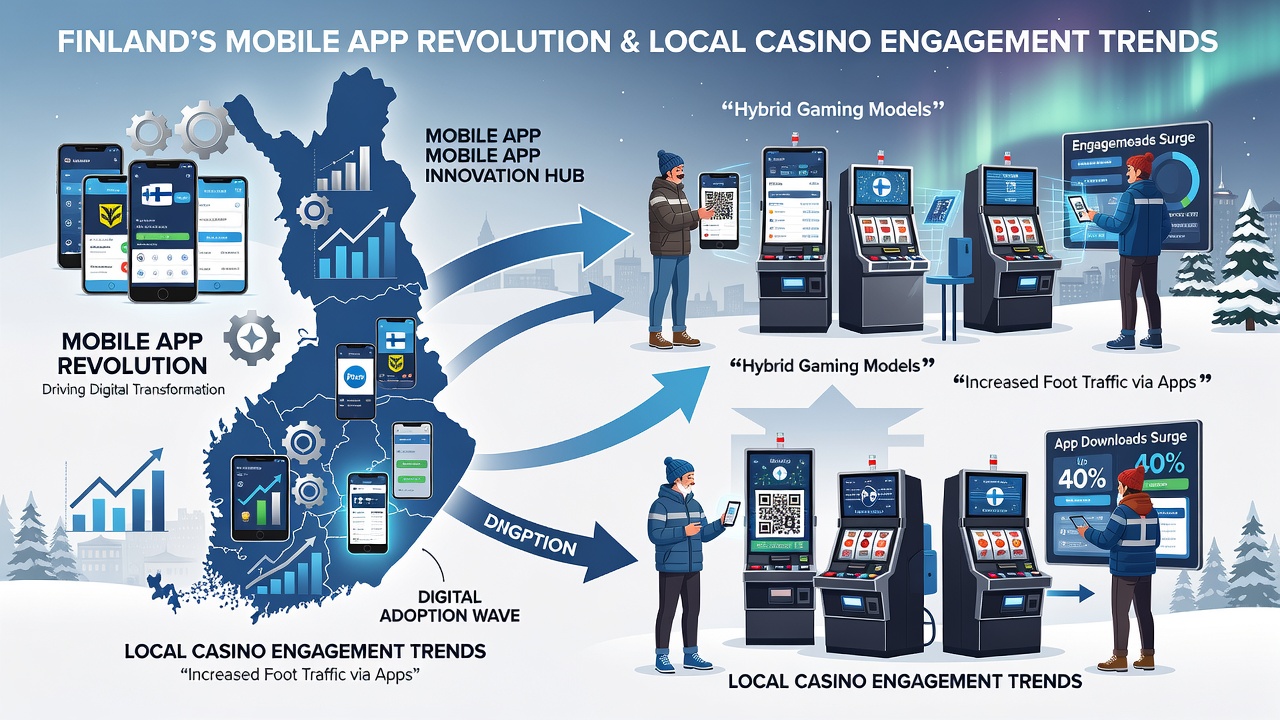
Observers note that integration of loyalty programs within mobile interfaces has sustained player retention rates above 82 percent for users who log in weekly. These programs track activity across lottery draws and casino offerings, awarding points redeemable for bonuses or merchandise. Data compiled through 2025 indicates that app-driven casino engagement peaks during evening hours between 7 PM and 11 PM, aligning with commuting patterns observed in major cities. In contrast, physical casino traffic shows more even distribution across weekdays and weekends, though overall volume has contracted in regions with high mobile adoption.
Regulatory Adjustments and Market Responses
Finnish authorities have updated licensing requirements to address mobile-specific considerations, including age verification protocols and responsible gaming tools embedded directly in applications. The Ministry of the Interior released guidelines in 2024 that mandate session time limits and spending caps accessible via app settings, measures that align with broader EU directives on consumer protection. Industry reports from the Canadian Centre for Gaming Research note similar regulatory evolutions in other jurisdictions, where digital tools have facilitated more granular monitoring of player behavior without restricting access.
Operators have responded by enhancing app security through biometric authentication and real-time fraud detection systems, reducing unauthorized account activity by 19 percent year-over-year. These technical upgrades coincide with efforts to maintain the state monopoly while accommodating evolving consumer preferences for on-demand entertainment. Projections for November 2026 anticipate further integration of augmented reality elements in select casino games, potentially increasing session durations by an estimated 12 percent based on pilot data from Veikkaus testing programs.
Regional Variations and Broader Implications
Engagement trends vary across Finland's regions, with southern urban centers exhibiting faster mobile uptake compared to northern rural areas where broadband infrastructure lags. Statistics from regional development agencies show that Lapland recorded only 54 percent mobile gambling participation in 2025, versus 81 percent in the capital region. This disparity has led local operators to explore hybrid models that combine app access with occasional pop-up events at community venues. External analyses from the Australian Gambling Research Centre indicate that comparable infrastructure gaps in remote areas have slowed digital transitions elsewhere, underscoring the role of connectivity in shaping participation rates.
Overall participation in regulated casino activities has remained stable despite the channel shift, with total revenue figures holding steady at approximately 1.8 billion euros annually. The transition has concentrated activity within the licensed ecosystem rather than diverting users to unregulated offshore platforms, according to monitoring data released by Finnish customs authorities.
Conclusion
Mobile applications continue to reshape casino engagement across Finland by offering convenient, regulated alternatives to traditional venues. The documented patterns through 2025 and projected developments into 2026 illustrate how digital infrastructure influences participation frequency, session characteristics, and regional access. Continued monitoring by public agencies will track these dynamics as technology and policy evolve in tandem.